Verticals
Sport TBI Diagnostics
Giving athletes, coaches, and medical staff the objective tools they need to make safe, evidence-based return-to-play decisions — on the sideline and in the clinic.
Sport and Brain Injury
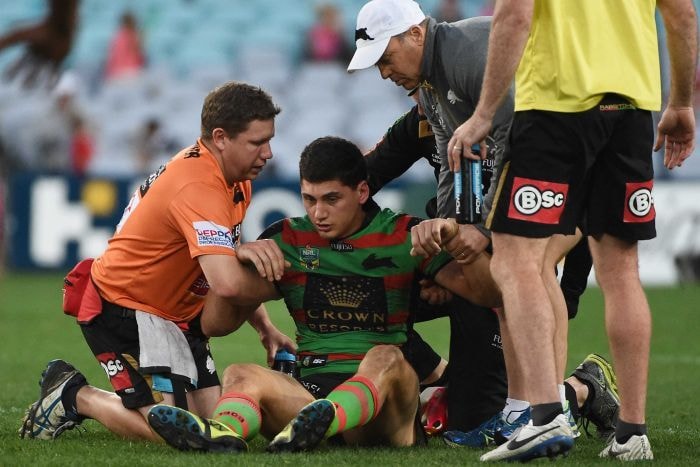
mTBI/concussion is a common injury in sport, affecting millions of athletes annually across contact and collision sports including football, rugby, soccer, racing, and combat sports. Despite growing awareness, the majority of sport-related mTBIs go undiagnosed — often because athletes minimise symptoms, sideline assessments lack objectivity, and there is no rapid biological test to confirm injury.
The consequences of undetected or mismanaged sport mTBI are serious. Premature return to play (RTP) before full neurological recovery increases the risk of further injury and may contribute to cumulative neurological harm. Objective, rapid diagnostics are essential to protect athlete health at every level of sport.
The Scale of Sport Concussion
Up to 3.8M
sport- and recreation-related concussions are estimated to occur annually in the United States
~50%
of sport-related concussions may go unreported
~2.2×
athletes who delayed reporting and continued to play after concussion were approximately 2.2× more likely to experience prolonged recovery
CTE
chronic traumatic encephalopathy linked to repeated concussive and sub-concussive impacts in contact sport athletes

The Problem
Limitations of Current Sideline Assessment
Current sport mTBI protocols rely on symptom checklists, balance tests, and neurocognitive tools such as the SCAT6. While valuable, these assessments are inherently subjective — dependent on athlete honesty, assessor experience, and in some contexts pre-injury baseline availability. In high-stakes competitive environments, the pressure to RTP can compromise the integrity of symptom-based screening.
There is currently no approved PoC blood test that can confirm the presence of an mTBI on the sideline. Current symptom-based tools may not fully reflect underlying biological recovery. GLIA’s miRNA biomarker platform is being developed to fill this gap — providing a rapid, objective biological signal designed to complement existing clinical tools and support more informed RTP decisions.
GLIA's Solution
Objective Diagnostics for Sport
Sideline-Ready Platform
GLIA's PoC device is being developed to deliver results from a blood sample in approximately 20 minutes — designed for use by team medical staff at training and competition without laboratory infrastructure.
Objective Biological Signal
miRNA biomarkers are being investigated as an objective signal of neurological injury independent of athlete self-report — potentially reducing the risk of symptom suppression influencing RTP decisions.
Sub-Concussive Exposure Monitoring
GLIA's panel is being validated for sensitivity to repeated sub-concussive impacts — the cumulative hits that may not produce overt symptoms but contribute to long-term neurological risk.
Serial Recovery Tracking
Repeat testing across the recovery window may support objective monitoring of biological changes, potentially informing evidence-based RTP timelines alongside symptom resolution and clinical assessment.
Integration with Existing Protocols
GLIA's platform is designed to complement — not replace — established sport concussion tools, adding biological objectivity to SCAT6, ImPACT, and clinical assessment workflows.
Athlete Welfare at Every Level
From elite professional sport to community and youth competition, GLIA's accessible, affordable platform is designed to protect athletes at all levels of the game.

Explore further
Related topics
Grassroots Sport
How GLIA Diagnostics addresses the diagnostic access gap in community and amateur sport.
Learn more →
TBI Biomarkers
The molecular science behind objective TBI detection — beyond symptom checklists.
Learn more →
microRNA Science
Brain-enriched miRNAs as direct indicators of neuronal damage from impact.
Learn more →
GLIA NeuroTESTA
The rapid point-of-care device designed for sideline and field deployment.
Learn more →
Protecting Athletes from the Sideline Up
GLIA Diagnostics is developing the next generation of sport concussion diagnostics — rapid, objective, and accessible at every level of competition.
Explore Our Biomarkers