
Verticals
Blast Overpressure & Brain Injury
Blast exposure has been a major mechanism of injury in recent military conflicts and remains an important focus of military brain-health research. GLIA Diagnostics is developing rapid, objective biomarker tools intended to support assessment of blast-induced brain injury at the point of need.
Blast Overpressure as a Cause of TBI
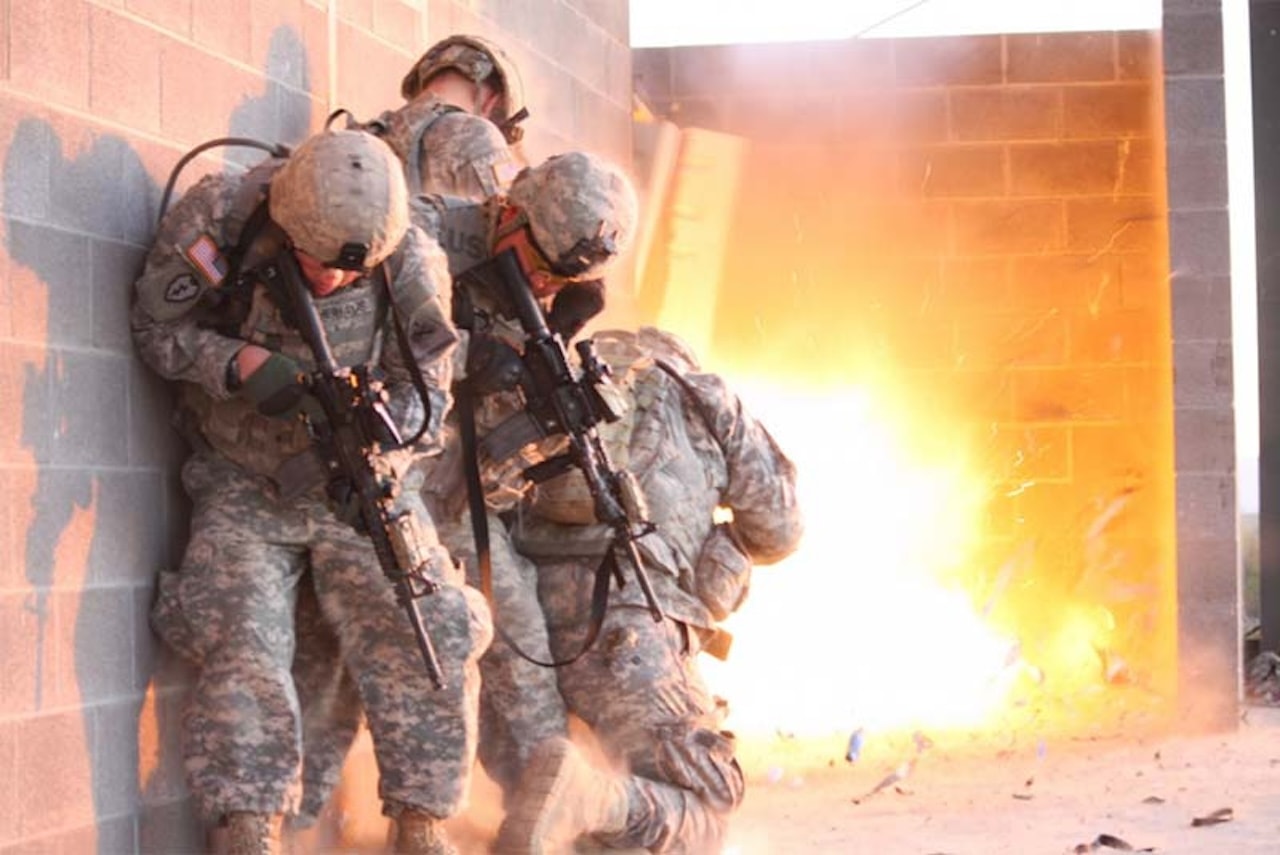
Blast overpressure (BOP) is the primary mechanism of TBI in contemporary military operations. When an explosive device detonates, it generates a supersonic pressure wave that propagates through the body — including the brain — causing mechanical injury to neural tissue even in the absence of direct impact, penetrating trauma, or visible external injury. This primary blast injury is distinct from secondary (fragmentation), tertiary (displacement), and quaternary (burn/chemical) blast mechanisms.
The invisible nature of blast-induced TBI (bTBI) makes it one of the most underdiagnosed injuries in military medicine. Service members exposed to blast may appear uninjured, pass initial screening, and return to duty (RTD) — only to develop progressive neurological symptoms days, weeks, or months later. Repeated sub-threshold blast exposures during training and combat operations compound the risk, with cumulative neurological effects that are poorly understood and difficult to detect with current tools.
Blast TBI: The Numbers
Major
Blast exposure has been a major mechanism of injury in recent military conflicts — historically associated with approximately half of diagnosed military TBIs in some OEF/OIF studies
Evaluated
GLIA’s biomarkers have been evaluated in Defence-relevant and blast-exposure research, supporting further development for future operational applications
Normal
CT and MRI findings in the majority of blast mTBI cases — leaving diagnosis dependent on subjective symptom assessment
Repeated
sub-threshold blast exposures during training and combat accumulate neurological risk that current tools cannot quantify

The Diagnostic Gap
Why Blast TBI Is So Hard to Detect
Standard neuroimaging — CT and MRI — is frequently normal following blast exposure, even when significant neurological injury has occurred at the cellular and molecular level. Symptom-based screening tools such as the Military Acute Concussion Evaluation (MACE) rely on self-report, which is compromised by operational pressure, stigma, and the acute stress of combat environments. The result is a systematic under-detection of blast-induced TBI at the point of injury.
GLIA's miRNA biomarker platform is being developed to address this gap. By detecting circulating miRNA species that may be released from injured neural tissue into the bloodstream following blast exposure, GLIA's test is intended to provide an objective biological signal that complements imaging findings, symptom reporting, and clinical assessment — and is designed to be delivered at the point of care in minutes. These applications remain under development and require further analytical and clinical validation.
GLIA's Solution
Point-of-Care Diagnostics for Blast Injury
Objective Blast Injury Signal
GLIA’s biomarkers have been evaluated in Defence-relevant and blast-exposure research. The platform is being developed to provide a biological signal of neuronal injury following blast exposure — intended to complement imaging, symptom reporting, and clinical assessment to support objective triage at the point of need, subject to further validation.
Field-Ready Platform
Designed for austere environments, GLIA's PoC device is being developed to deliver results from a blood sample without laboratory infrastructure — intended for use by combat medics and forward surgical teams.
Cumulative Exposure Monitoring
GLIA's biomarker panel is being validated for sensitivity to repeated sub-threshold blast exposures — enabling monitoring of cumulative neurological risk in high-exposure roles such as breaching and heavy weapons.
RTD Decision Support
Objective biological data supports evidence-based return-to-duty decisions, reducing the risk of premature clearance following blast exposure and protecting long-term neurological health.
Integration with Military Protocols
GLIA's platform is designed to complement existing military concussion management protocols — adding biological objectivity to MACE, ANAM, and clinical assessment workflows without replacing them.
Longitudinal Recovery Tracking
Serial testing across the recovery period may support objective monitoring of biological changes following blast exposure, potentially informing evidence-based rehabilitation and RTD timelines.
Explore further
Related topics
Defence
Blast and combat TBI in military personnel — the operational case for rapid field diagnostics.
Learn more →
TBI Biomarkers
Molecular biomarkers that detect blast-induced neuronal damage objectively.
Learn more →
microRNA Science
How brain-enriched miRNAs signal blast-wave neurological injury at the molecular level.
Learn more →
GLIA NeuroTESTA
A field-deployable platform for rapid blast TBI triage without laboratory infrastructure.
Learn more →
Objective Diagnostics for the Front Line
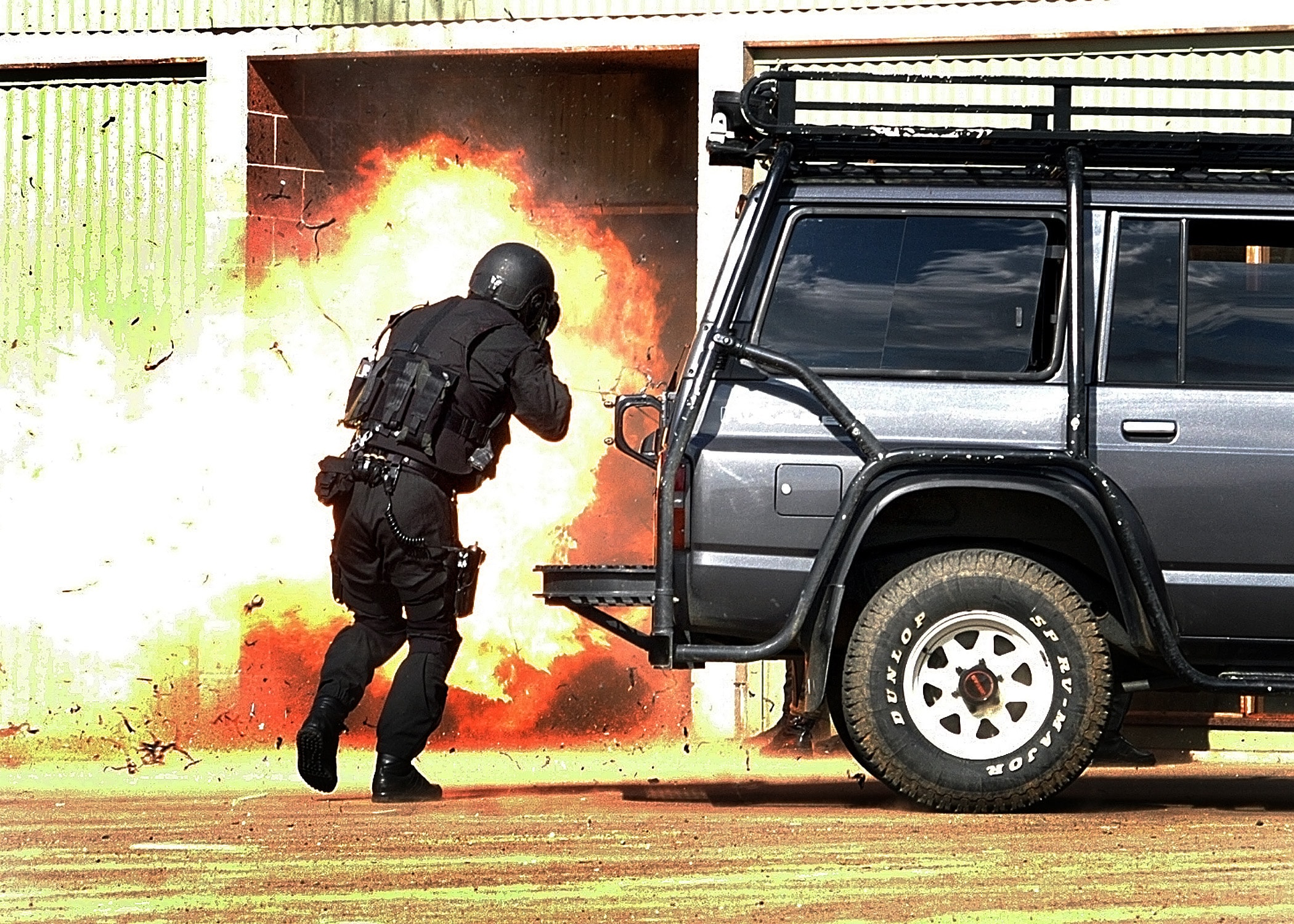
GLIA Diagnostics is developing the next generation of blast injury diagnostics — rapid, objective, and designed for the environments where service members need them most.