
Applications
Military TBI Diagnostics
Providing defence forces with objective, rapid brain injury assessment tools that work in austere environments — from the battlefield to the base.
TBI in Military Service
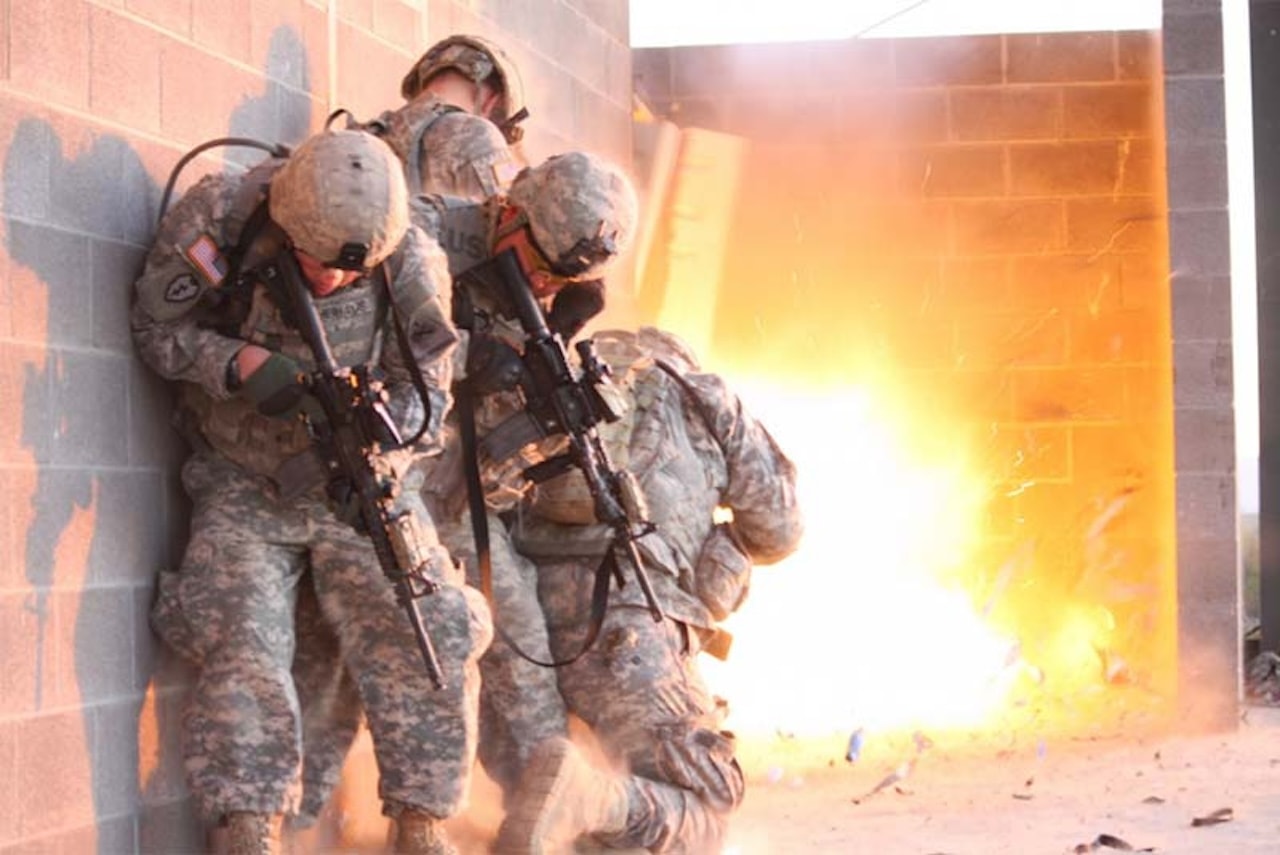
TBI is the signature wound of modern warfare. Blast exposure from improvised explosive devices (IEDs), artillery, and other munitions is a leading cause of TBI among military personnel. Historical OEF/OIF studies estimated probable deployment-related TBI in approximately 1 in 5 returning service members.
Unlike civilian TBI, military brain injury often occurs in environments where advanced imaging is unavailable, symptoms may be masked by adrenaline or duty pressure, and personnel face repeated sub-concussive exposures over the course of a deployment. These factors make objective, field-deployable diagnostics not just useful — but mission-critical.

The Scale of the Problem
~1 in 5
Historical OEF/OIF studies estimated probable deployment-related TBI in approximately 1 in 5 returning service members
533,000+
U.S. service members received a first-time TBI diagnosis between 2000 and Q3 2025; approximately 82% were classified as mild (DoD data)
~33–39%
TBI and PTSD frequently co-occur — large OEF/OIF studies reported probable PTSD in approximately 33–39% of those with probable mild TBI
Supported
by Defence-relevant biomarker evidence, including ADF and US DoD/USSOCOM-associated research
The Problem
The Military TBI Challenge
Current military TBI protocols rely heavily on symptom-based screening tools such as the Military Acute Concussion Evaluation (MACE) and the ANAM neurocognitive battery. While valuable, these tools are limited by their dependence on self-reporting, cognitive baseline variability, and the absence of biological confirmation.
The consequences of missed or under-diagnosed TBI in military settings are severe: premature return to duty, cumulative injury, long-term neurological decline, increased risk of PTSD, and reduced operational effectiveness. Objective biological tools that can provide injury-related information at the point of need could meaningfully improve military medical care.
GLIA's Solution
Field-Ready Diagnostics for Defence
Deployable Platform
GLIA's PoC device is designed to operate in austere, resource-limited environments — requiring no laboratory infrastructure, minimal training, and delivering results in minutes.
Objective Biological Signal
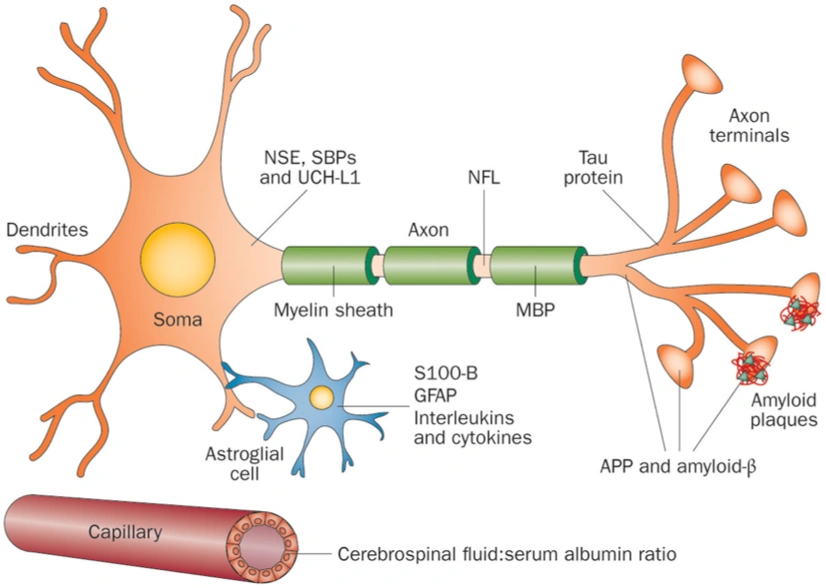
A simple blood sample provides miRNA biomarker data intended to offer an injury-related signal independent of self-report — potentially reducing the risk of duty-pressure bias in return-to-duty decisions.
Blast Overpressure Research
GLIA’s biomarker programme has been evaluated in Defence-relevant research, including US DoD/USSOCOM-supported studies, providing an evidence base for future operational evaluation of blast-induced TBI.
Longitudinal Monitoring
Serial testing across a deployment may support monitoring of cumulative exposure and biological recovery, potentially informing smarter return-to-duty protocols and long-term veteran health management.
Integration with Existing Protocols
GLIA's platform is designed to complement — not replace — existing military screening tools (MACE, etc), adding biological objectivity to established clinical workflows.
Data for Command Decisions
Aggregated, de-identified biomarker data can inform unit-level exposure assessments and support evidence-based operational health policy.
Explore further
Related topics
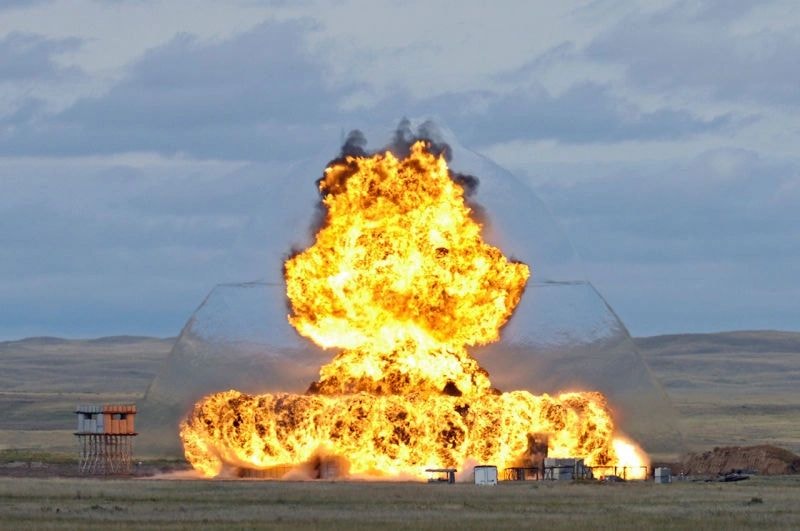
Blast Overpressure
The physics and neurology of blast-wave TBI — invisible injuries with lasting consequences.
Learn more →
TBI Biomarkers
Molecular biomarkers that provide objective evidence of brain injury in the field.
Learn more →
GLIA NeuroTESTA
A compact, field-deployable platform for rapid TBI triage without laboratory infrastructure.
Learn more →
PTSD & TBI
Overlapping neurological signatures of blast TBI and PTSD in combat veterans.
Learn more →
Protecting Those Who Protect Us
GLIA Diagnostics is committed to developing diagnostics that meet the unique demands of military medicine — rapid, robust, and reliable in the field.
Learn About Blast Overpressure