
Biomarkers
Biomarkers for TBI
Biological markers that provide objective, measurable evidence of traumatic brain injury — enabling faster, more accurate clinical decisions.
What Are TBI Biomarkers?
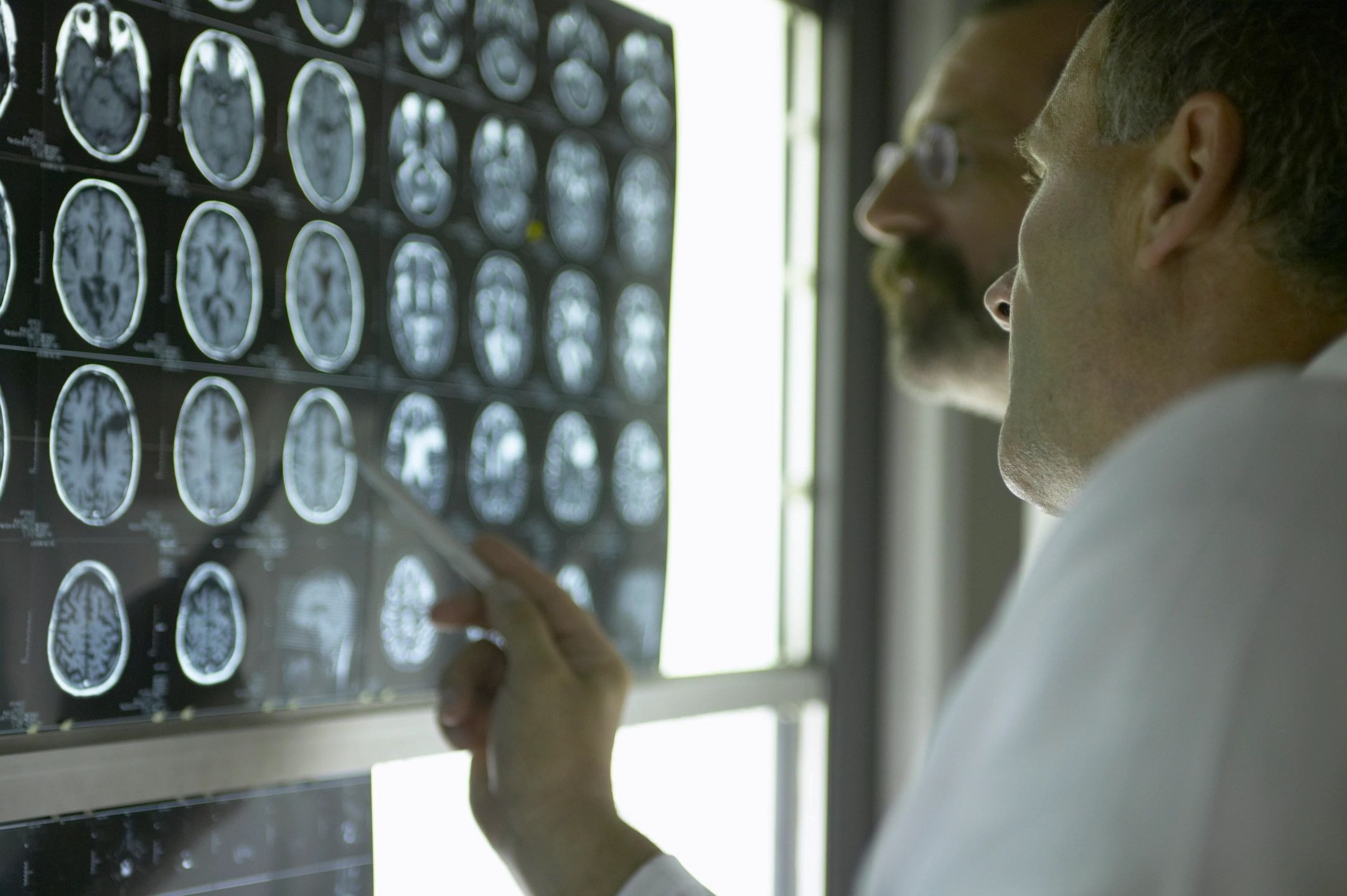
Biomarkers are measurable biological indicators — proteins, nucleic acids, or other molecules — that reflect the presence, severity, or progression of injury or disease. In the context of traumatic brain injury (TBI), biomarkers are released into the bloodstream following neuronal damage, glial cell injury, or disruption of the blood-brain barrier.
Traditional TBI assessment relies heavily on clinical observation, symptom reporting, and neuroimaging — all of which have significant limitations in sensitivity, objectivity, and accessibility. Blood-based biomarkers offer a complementary, objective window into the biological reality of brain injury, independent of patient cooperation or clinician subjectivity.

Our Approach
Why microRNA?
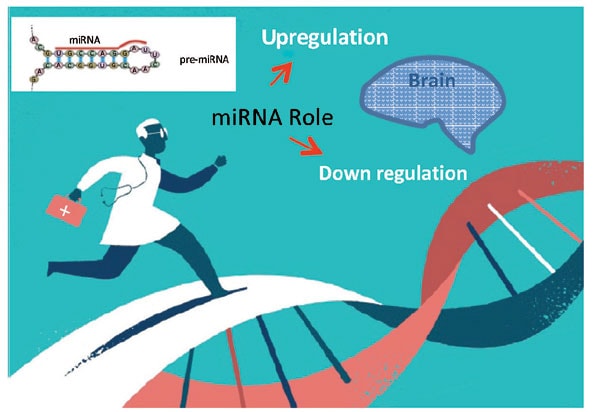
MicroRNAs (miRNAs) are small, non-coding RNA molecules that regulate gene expression. They are relatively stable in blood and other biofluids, making them candidates for blood-based diagnostic biomarkers. Following TBI, specific miRNAs may be released from injured neural and glial cells into circulation, potentially providing a molecular signal of brain injury.
Protein biomarkers such as GFAP and UCH-L1 have established acute utility and are FDA-cleared for use in adults with suspected mTBI. GLIA is investigating whether its clinically studied proprietary miRNA panel can add complementary biological information relevant to injury response, prognosis and longitudinal recovery — a more nuanced story than any single biomarker class can tell alone.
Advantages of miRNA Biomarkers
High Stability
miRNAs are encapsulated in exosomes and protein complexes, making them highly resistant to degradation in blood samples.
Potential Tissue Association
Certain miRNAs are expressed at relatively high levels in neural tissue. Elevation in blood following head injury may reflect neural or glial involvement, though specificity requires further validation.
Potential Early Detection
miRNA signals may appear in blood relatively early after injury, potentially enabling earlier biological assessment — though detection windows require further clinical validation.
Longitudinal Monitoring Potential
Serial miRNA measurements may provide information relevant to biological recovery over time. These applications remain under development and require further clinical validation.
Panel Approach
A panel of miRNAs may simultaneously provide complementary biological information relevant to injury response, prognosis, and recovery — potentially offering a more nuanced picture than any single biomarker.
Point-of-Care Compatible
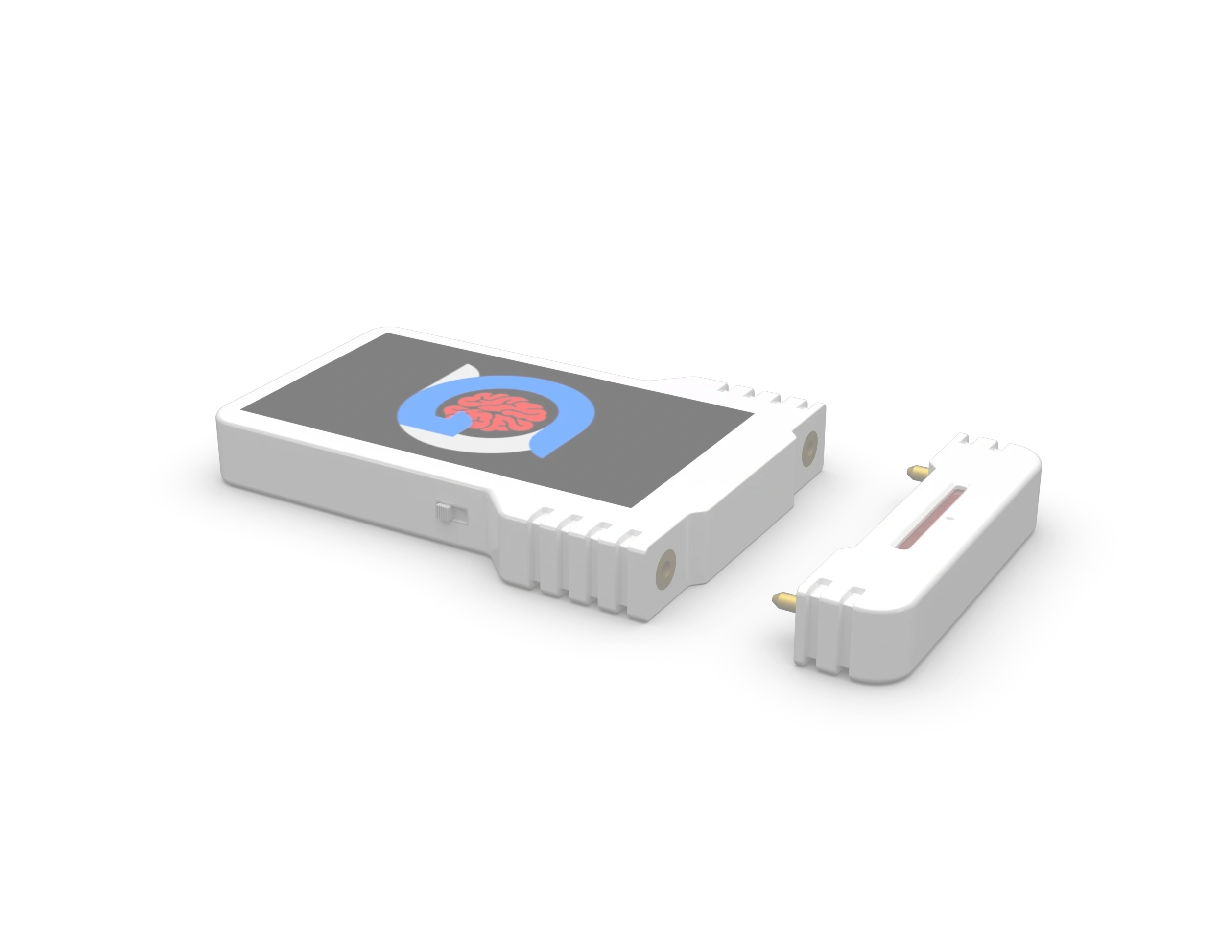
GLIA's platform is designed to detect miRNA biomarkers rapidly from a finger-stick blood sample in field or clinical settings.
Clinical Context
Current Biomarker Landscape
Protein biomarkers have established acute utility in TBI assessment. GFAP (Glial Fibrillary Acidic Protein) and UCH-L1 (Ubiquitin C-terminal Hydrolase-L1) are FDA-cleared for use in adults with suspected mTBI, and the Abbott i-STAT TBI test measuring GFAP and UCH-L1 in venous whole blood is now available to assist evaluation in emergency settings. S100B is widely used in Europe as a triage tool to guide CT imaging decisions.
GLIA’s stronger story is not that proteins don’t work — it is that miRNA biology may add information relevant to injury response, prognosis and longitudinal recovery that complements what protein biomarkers already provide. GLIA is investigating whether its clinically studied proprietary miRNA panel can extend the biological picture beyond the acute window, supporting more informed decisions across the full recovery trajectory.
Explore further
Related topics
microRNA Science
How brain-enriched miRNAs signal neuronal damage at the molecular level.
Learn more →
GLIA NeuroTESTA
The point-of-care platform that translates biomarker science into field-ready results.
Learn more →
Sport
Sideline TBI assessment for athletes — objective evidence before return-to-play.
Learn more →
Defence
Rapid blast and combat TBI triage without laboratory infrastructure.
Learn more →
Objective. Rapid. Field-Ready.
GLIA's miRNA biomarker panel is designed to work alongside existing clinical tools — not replace them — to give clinicians and carers the biological context they need to make better decisions, faster.
Learn About Our Technology